
 By Mobi Roller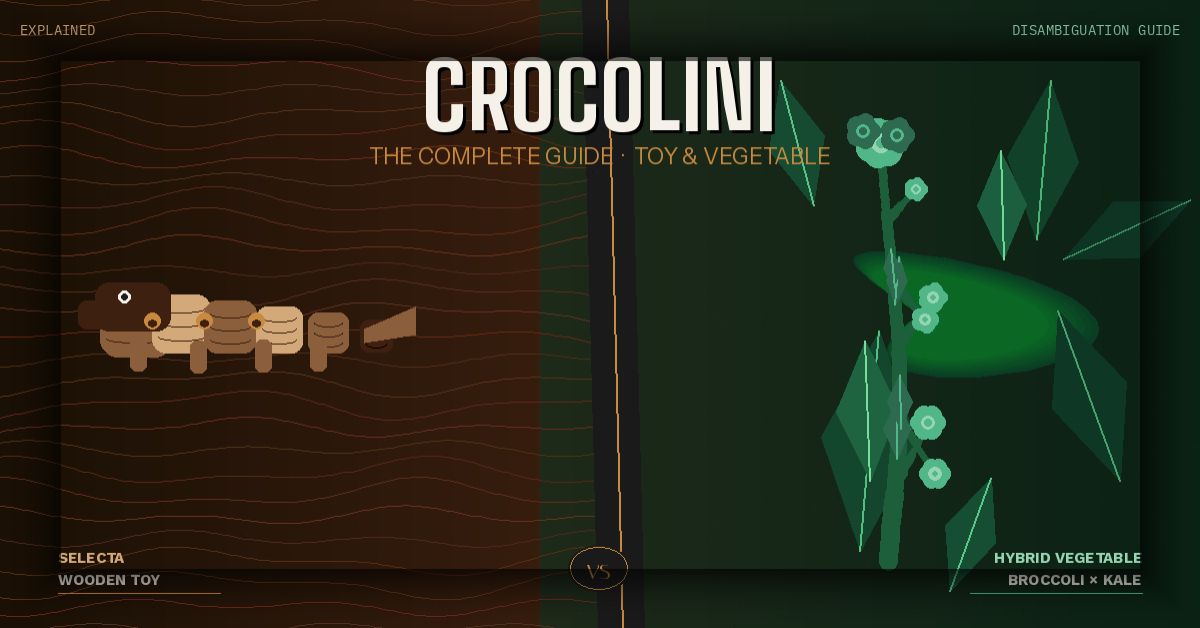
If you’ve landed here, you’re likely searching for one of two very different things: the adorable Selecta Crocolini wooden pull-along toy designed for babies and toddlers, or the nutritious broccoli and kale hybrid vegetable that has been trending in health-conscious American kitchens. You’re not alone in your confusion — “crocolini” is one of the more unusual examples of a single keyword pointing in two entirely different directions.
Thank you for reading this post, don't forget to subscribe!This guide is your definitive resource for both. Whether you’re a new parent hunting for a safe, beautifully crafted first toy, or a home cook looking to expand your vegetable repertoire with something mild, tender, and packed with nutrients — we have you covered. Read on for everything you need to know about both meanings of crocolini.
Part 1: The Selecta Crocolini — A Classic Wooden Pull-Along Toy
What Is the Crocolini Toy?
The Selecta Crocolini is a charming wooden pull-along toy crafted by Selecta, the beloved German toy brand with decades of heritage in producing high-quality, natural wooden toys. Designed as a pram chain, the Crocolini stretches across the full width of a stroller or pram, making it a perfect first companion for newborns and infants.
The toy takes the form of a friendly crocodile — hence the name — complete with a long, segmented body that elongates and snaps playfully as baby pulls or tugs at it. Three little bells are embedded within its body, producing a soft, merry tinkling sound that captivates young ears and encourages sensory exploration from day one.
Key Features at a Glance
Here’s what makes the Selecta Crocolini stand out from other baby pram toys on the market:
- Dimensions: Approximately 63 cm in length — long enough to span the width of most prams and strollers.
- Material: Made from eco-friendly, sustainably sourced timber, carefully selected for its natural antibacterial properties.
- Finish: Coated with a natural beeswax finish that is fully saliva-proof and safe for mouthing. Non-toxic paints are used for any colored details.
- Sound: Three integrated bells produce a gentle tinkling sound that stimulates auditory development.
- Design: Segmented crocodile body that elongates and snaps — providing rich tactile experience and visual stimulation.
- Origin: Made in Germany to rigorous European safety standards (EN71), providing peace of mind for parents worldwide.
Developmental Benefits: Why Wooden Toys Matter
The Selecta Crocolini isn’t just a pretty toy — it’s a carefully designed developmental tool. In the 0-to-1 stage, babies are rapidly developing their senses, and the Crocolini is engineered to engage multiple sensory channels simultaneously.
The tinkling sound of the three bells stimulates auditory awareness and helps babies begin to understand cause-and-effect: “I move this, and a sound happens.” The segmented wooden body offers varied tactile textures, supporting the development of fine motor skills and hand-eye coordination. The contrasting colors and dynamic movement of the elongating crocodile engage the infant’s developing visual tracking abilities.
For toddlers aged 1 to 3, the Crocolini transitions from a passive sensory experience to an active one. Toddlers can grasp, pull, and manipulate the toy more intentionally, supporting gross motor development and imaginative play. Its robust wooden construction is built to withstand the enthusiastic use that toddlers are known for.
Why Eco-Friendly, Natural Wood Matters
Many parents are increasingly conscious of the materials their children’s toys are made from. The Selecta Crocolini reflects this priority at every level. The use of eco-friendly timber means the wood is sourced responsibly, supporting sustainable forestry practices. The natural beeswax finish eliminates the need for synthetic varnishes or chemical sealants — a meaningful distinction for parents of babies who explore the world with their mouths.
The wood itself has inherent antibacterial properties, a natural advantage over plastic alternatives that can harbor bacteria in scratches and crevices. This combination of sustainability, safety, and durability is why Selecta toys are often described as heirloom-quality — designed to be passed down from one child to the next.
Selecta Crocolini vs. Other Baby Pram Toys
| Feature | Selecta Crocolini | Typical Plastic Pram Toy | Plush Pram Toy |
| Material | Eco-friendly wood | Plastic / ABS | Synthetic fabrics |
| Finish / Safety | Natural beeswax, non-toxic paints | BPA-free plastic | Varies — check labels |
| Antibacterial | Yes (natural wood) | No | No |
| Sound | Gentle tinkling bells | Rattles / crinkle | Crinkle / squeaks |
| Sensory Engagement | Tactile + auditory + visual | Auditory + visual | Tactile + auditory |
| Durability | High — heirloom quality | Medium | Low-medium |
| Origin | Made in Germany | Often imported | Often imported |
| Age Range | 0–3 years | 0–2 years | 0–2 years |
Caring for Your Selecta Crocolini
Wooden toys require slightly different care than plastic or fabric alternatives, but the process is simple. Spot-clean the Crocolini with a damp cloth and mild soap. Avoid submerging it in water or placing it in a dishwasher, as prolonged water exposure can damage the wood and loosen the bells. Allow it to air dry thoroughly before returning it to your baby’s pram. The natural beeswax finish can be refreshed periodically with a food-safe wood wax if needed.
Part 2: Crocolini — The Hybrid Vegetable (Broccoli x Kale)
What Is Crocolini? The Vegetable Explained
Crocolini is a modern hybrid vegetable — a deliberate cross between broccoli and kale developed through conventional plant breeding (not genetic modification). The result is a visually distinctive vegetable with long, slender stems, small loosely-formed florets, and soft, edible leaves that run along the length of the stalk.
Think of crocolini as the best of both parent plants. From broccoli, it inherits a satisfying, substantial texture and mild, slightly sweet flavor. From kale, it gains nutrient density, tender leaves, and a structural resilience that makes it easy to grow. The combination eliminates most of the bitterness associated with kale and the sulfurous edge that some people find off-putting in traditional broccoli.
The vegetable gets its name partly from its appearance: the long, slightly bumpy stems with their ruffled leaf edges give it a vaguely reptilian look — a playful nod to its crocodilian silhouette. Crocolini is beginning to appear in specialty grocery stores and farmers markets across the United States, and chefs are taking notice.
Crocolini vs. Broccolini vs. Broccoli vs. Kale: What’s the Difference?
It’s easy to confuse crocolini with broccolini, since both names are similar and both are hybrid greens. Here’s a clear breakdown of how they differ:
| Crocolini | Broccolini | Broccoli | Kale | |
| Parents | Broccoli x Kale | Broccoli x Chinese broccoli | N/A | N/A |
| Flavor | Mild, sweet, no bitterness | Mild, slightly peppery | Robust, earthy | Bitter, strong |
| Texture | Tender stems, soft leaves | Tender stems, small florets | Dense florets, thick stalks | Tough, chewy leaves |
| Edible Parts | Stem to leaf — all edible | Stem + florets | Florets + young stems | Leaves primarily |
| Cook Time | Very quick (3–5 min) | Quick (4–6 min) | Moderate (6–10 min) | Moderate (5–8 min) |
| Raw? | Yes — excellent raw | Yes — works raw | Yes, though dense | Yes, though tough |
| Kid-Friendly? | Very — mild and tender | Mostly | Sometimes | Rarely |
The Nutritional Profile & Health Benefits of Crocolini
Crocolini inherits the impressive nutritional credentials of both its parent plants, making it one of the more nutrient-dense vegetables available in its size class. Here is what a typical serving delivers:
- Vitamin C: Supports immune system function, skin health, and acts as a powerful antioxidant to protect cells from oxidative damage.
- Vitamin K: Essential for bone health and proper blood clotting. Crocolini, like its kale parent, is a particularly rich source.
- Vitamin A: Critical for vision, immune function, and skin integrity. Provided in the form of beta-carotene from the leafy green portions.
- Fiber: Supports digestive health, gut microbiome diversity, and healthy weight management by promoting satiety.
- Antioxidants and Plant Compounds: A range of flavonoids and glucosinolates (also found in broccoli and kale) that research links to reduced inflammation and cell protection.
- Low Calorie: An entire generous serving of crocolini contains very few calories, making it an excellent choice for those managing their dietary intake without sacrificing nutrition.
For health-conscious adults, crocolini offers a practical way to consume two of the most nutritionally celebrated vegetables in a single, convenient, mild-tasting package. It’s particularly valuable for people who love broccoli but find kale difficult to prepare or too bitter to enjoy.
How to Select, Store, and Prepare Crocolini
Choosing Fresh Crocolini
When shopping at a specialty grocery store or farmers market, look for crocolini with vibrant, deep green coloring throughout the stems and leaves. The stems should feel firm and snap crisply if bent. Avoid bunches where the leaves are yellowing, wilted, or where the stems feel soft and rubbery — these signs indicate the vegetable is past its prime and will have diminished flavor and texture.
Proper Storage
Store crocolini unwashed in the refrigerator, loosely wrapped in a damp paper towel inside an open plastic bag. This setup keeps moisture around the vegetable without trapping it in a way that promotes rot. Crocolini will keep well for 3 to 5 days under these conditions. Wash it just before cooking, not before storing, as excess moisture accelerates deterioration.
Easy Cooking Methods
One of crocolini’s greatest virtues is how forgiving and quick it is to prepare. Unlike traditional broccoli, there’s no need to peel anything, cut away thick stems, or cook it for an extended period. The entire plant — from the base of the stem to the tips of the leaves and florets — is tender and edible.
- Sauteed: Heat olive oil in a large skillet over medium-high heat. Add crocolini with a pinch of salt and cook for 3 to 4 minutes, tossing occasionally, until the stems are tender and lightly charred. Finish with minced garlic and a squeeze of lemon. This is the simplest and most popular preparation.
- Roasted: Toss crocolini with olive oil, salt, and pepper. Spread on a baking sheet in a single layer and roast at 425°F (220°C) for 10 to 12 minutes until the edges are crispy and slightly caramelized.
- Raw in Salads: Young, tender crocolini can be eaten completely raw. Slice the stems thinly on the bias and toss with a bright vinaigrette, shaved parmesan, and toasted almonds for a crunchy, nutrient-packed salad.
- Stir-Fries: Add crocolini to stir-fries in the last 2 to 3 minutes of cooking, allowing it to absorb the flavors of the sauce while retaining its color and bite.
- Pasta and Grain Bowls: Blanch crocolini briefly in salted water, then toss with your favorite pasta, a drizzle of extra virgin olive oil, and chili flakes. It integrates beautifully into grain bowls with quinoa, farro, or brown rice.
A Simple Sauteed Crocolini Recipe
Serves: 2 | Prep time: 3 minutes | Cook time: 5 minutes
Ingredients:
- 1 bunch crocolini (approximately 200g), ends trimmed
- 2 tablespoons extra virgin olive oil
- 2 cloves garlic, thinly sliced
- Juice of half a lemon
- Flaky sea salt and freshly cracked black pepper
Method:
Heat the olive oil in a wide skillet over medium-high heat until shimmering. Add the crocolini in a single layer and season generously with salt and pepper. Cook undisturbed for 2 minutes to develop some char, then toss and cook for another minute. Add the sliced garlic and stir constantly for 30 seconds. Remove from heat, squeeze lemon juice over the top, and serve immediately. This dish pairs beautifully with grilled fish, roasted chicken, or simply alongside a fried egg.
Why Crocolini Is Trending in American Kitchens
The rise of crocolini in the United States tracks with broader culinary trends: a growing appetite for novel vegetables, an increasing comfort with farmers market staples, and a cultural push toward consuming more plant-based foods without sacrificing enjoyment. Crocolini checks all the right boxes for today’s busy home cook.
Its quick cooking time — often under five minutes — makes it viable on a weeknight without advance planning. Its mild flavor makes it accessible to picky eaters and children who might reject broccoli or kale outright. And its versatility across cooking methods (raw, sauteed, roasted, stir-fried) means it can be incorporated into almost any cuisine without feeling out of place.
Restaurant chefs and food stylists have also taken to crocolini for its visual appeal — the long, elegant stems and trailing leaves photograph beautifully, making it a natural fit for the visually-driven world of social media food content.
For home gardeners, crocolini is also worth growing. Its hybrid vigor — a well-documented phenomenon in plant breeding where hybrids outperform their parent plants in robustness — means it tends to be resilient against common pests and diseases while producing a generous harvest over an extended season.
Frequently Asked Questions About Crocolini
Questions About the Toy
Is the Selecta Crocolini toy safe for newborns?
Yes. The Selecta Crocolini is designed specifically for babies from birth onwards. It meets European safety standards (EN71), is made with non-toxic paints, and features a natural beeswax finish that is fully saliva-proof. The toy is designed as a pram chain rather than a handheld toy, meaning it attaches across the width of the stroller rather than being placed directly in the baby’s hands during the newborn stage.
Where can I buy the Selecta Crocolini wooden toy?
The Selecta Crocolini is available through specialty toy retailers, eco-friendly baby product shops, and online marketplaces. When purchasing online, look for authorized Selecta retailers to ensure you’re receiving a genuine product with the brand’s full safety certifications.
How do I clean the wooden Crocolini toy?
Spot-clean with a soft, damp cloth and mild, natural soap. Do not submerge in water or place in a dishwasher, as prolonged moisture can warp the wood and damage the finish. Allow the toy to air dry completely before returning it to use. For routine maintenance, you can treat the wood with a small amount of food-safe beeswax or wood oil to keep the finish fresh.
What age is the Crocolini toy suitable for?
The Selecta Crocolini is designed for babies from birth to approximately 3 years old. In the 0 to 1 stage it functions as a sensory pram toy, engaging hearing, sight, and touch. From ages 1 to 3, toddlers can interact with it more actively as a pull toy, benefiting from its tactile and auditory stimulation.
Questions About the Vegetable
What does crocolini taste like?
Crocolini has a mild, sweet flavor with none of the bitterness associated with kale and a subtler earthiness than traditional broccoli. Most people describe it as the most approachable of the cruciferous greens — a quality that makes it particularly popular with children and anyone who has historically found broccoli or kale too assertive in flavor.
Can you eat crocolini raw?
Yes — crocolini is excellent eaten raw. The stems are tender enough to slice thinly without any blanching, and the leaves are soft and palatable without cooking. Raw crocolini works particularly well in salads, where it adds a pleasant crunch and absorbs dressings beautifully. Compared to raw broccoli or kale, it is significantly more tender and easier to enjoy without any preparation.
Is crocolini a GMO vegetable?
No. Crocolini is developed through conventional plant hybridization — the same technique that has been used in agriculture for centuries to select for desirable traits in crops. No genetic modification technology is involved. The cross between broccoli and kale that produces crocolini occurs through natural pollination, guided by plant breeders who select parent plants for their best qualities.
Is crocolini the same as broccolini?
No — they are related but distinct vegetables. Broccolini is a cross between traditional broccoli and Chinese broccoli (gai lan). Crocolini is a cross between broccoli and kale. The result is a different plant with a different flavor profile, texture, and nutritional composition. Crocolini tends to have softer, more prominent leaves and a sweeter, less peppery taste than broccolini.
What are the main health benefits of eating crocolini?
Crocolini is rich in vitamins C, K, and A, as well as dietary fiber and antioxidants including glucosinolates. Regular consumption supports immune function, bone health, gut health, heart health, and healthy weight management. Its low calorie density makes it an excellent nutrient-dense addition to a balanced diet for adults and children alike.
Where can I buy crocolini vegetable?
Crocolini is most commonly found at specialty grocery stores, health food markets, and farmers markets, particularly in urban areas. As it gains mainstream recognition, it is beginning to appear in higher-end supermarket chains. If you’re having difficulty sourcing it locally, check with your farmers market vendors — some specialty growers may be able to supply it on request or even provide seeds for growing your own.
Final Thoughts
Whatever brought you to this page — a search for the perfect first toy for your newborn, or a curiosity about a new vegetable you spotted at the farmers market — we hope this guide has given you everything you need. The Selecta Crocolini toy and the crocolini hybrid vegetable are two entirely unrelated products that happen to share a memorable name, and both are genuinely worth knowing about.
The Selecta Crocolini toy represents the best of traditional German craftsmanship: safe, sustainable, beautiful, and designed to genuinely support a baby’s earliest development. The crocolini vegetable represents the exciting frontier of modern plant breeding: nutrient-dense, delicious, easy to cook, and increasingly available to adventurous home cooks across the country.
Whether you’re shopping for your baby or your dinner table, crocolini has something remarkable to offer.