
 By Mobi Roller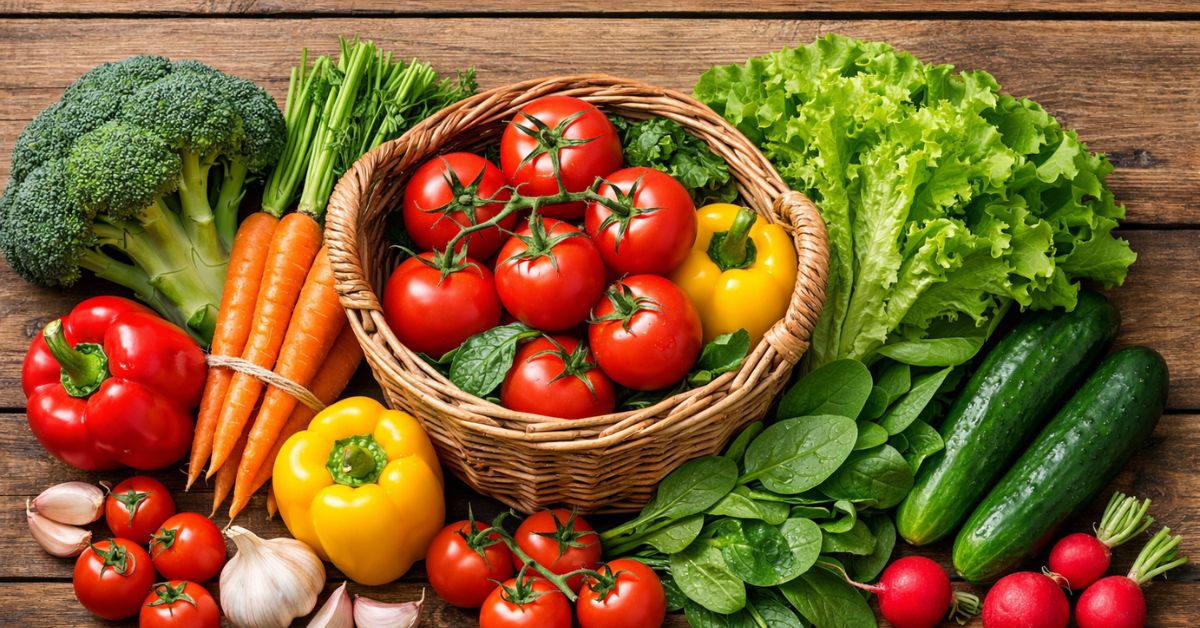
Vegetables are the cornerstone of healthy eating, offering an extraordinary range of flavors, textures, colors, and nutritional profiles. Whether you are planning a weekly grocery run, designing a kitchen garden, exploring a new cuisine, or simply trying to eat better, having a thorough understanding of the vegetable world is an invaluable asset. This guide takes you through a comprehensive vegetable list — organized by category, enriched with nutritional insights, and packed with practical tips to help you make the most of every vegetable in the produce aisle.
Thank you for reading this post, don't forget to subscribe!Why Vegetables Matter
Before diving into the list itself, it is worth pausing to appreciate just how important vegetables are. They are rich in dietary fiber, vitamins, minerals, and antioxidants, and most are naturally low in calories and fat. Numerous studies have consistently linked high vegetable consumption to reduced risks of heart disease, certain cancers, type 2 diabetes, and obesity. The World Health Organization recommends consuming at least 400 grams of fruits and vegetables daily — a target most people in the world fall short of.
Beyond nutrition, vegetables play a profound cultural and culinary role. Every cuisine on earth is defined in part by its characteristic vegetables — the tomato in Italian cooking, the bitter melon in South Asian dishes, the corn in Mexican cuisine, the cabbage in Eastern European food. Knowing your vegetables is knowing the world.
Root Vegetables
Root vegetables grow underground and are typically dense, starchy, and rich in carbohydrates and minerals. They are among the most ancient foods consumed by humans.
Carrots are one of the most universally loved root vegetables, prized for their sweet flavor and brilliant orange color (though they also come in purple, yellow, and white). Rich in beta-carotene, which the body converts to vitamin A, carrots support eye health and immune function.
Potatoes are the world’s most consumed vegetable and a staple food in dozens of countries. They come in hundreds of varieties — russet, Yukon Gold, red, purple, fingerling — and are an excellent source of potassium, vitamin C, and complex carbohydrates.
Sweet potatoes are nutritionally distinct from regular potatoes, offering higher levels of vitamin A, fiber, and antioxidants. Their natural sweetness makes them versatile in both savory and sweet dishes.
Beets (beetroot) are vibrantly colored and packed with folate, manganese, and nitrates, the latter of which has been shown to support cardiovascular health and athletic performance. They can be roasted, boiled, pickled, or eaten raw in salads.
Turnips and parsnips are cold-weather root vegetables with earthy, slightly sweet flavors. Parsnips resemble white carrots and are particularly popular in British and Irish cooking. Turnips, smaller and more pungent, are often used in stews.
Radishes are crisp, peppery, and often overlooked. White daikon radishes are widely used in Asian cuisines, while small red radishes are common in Western salads. They are low in calories and high in vitamin C.
Celeriac (celery root) is a knobbly, unglamorous vegetable with a mild, celery-like flavor. It is wonderful roasted, mashed, or eaten raw in a remoulade.
Yams are large, starchy tubers that are a dietary staple across much of Africa and the Caribbean. They are often confused with sweet potatoes but are a distinct species, with a drier, starchier texture.
Leafy Greens
Leafy greens are arguably the most nutrient-dense category of vegetables. They tend to be rich in vitamins K, A, and C, as well as folate, iron, and calcium.
Spinach is one of the most nutritionally impressive leafy greens. It is high in iron, calcium, magnesium, and a range of antioxidants including lutein and zeaxanthin, which support eye health. Baby spinach is mild and sweet; mature spinach has a slightly earthier taste.
Kale has become famous as a superfood, and with good reason. It is exceptionally rich in vitamins K, A, and C, as well as antioxidants like quercetin and kaempferol. It can be massaged into salads, sautéed, baked into chips, or blended into smoothies.
Swiss chard is a colorful and versatile green with brilliant red, yellow, or white stalks. It has a slightly bitter flavor and is often braised or sautéed with garlic and olive oil.
Cabbage is one of the oldest cultivated vegetables and remains a global staple. Green, red, savoy, and Napa cabbage are all widely used in everything from coleslaw to kimchi to stuffed cabbage rolls. It is high in vitamin C and fiber and extremely affordable.
Lettuce comes in numerous varieties — romaine, butterhead, iceberg, arugula, radicchio, endive, and more. Each has its own flavor profile, from the mild crunch of iceberg to the nutty bitterness of arugula and the peppery kick of watercress.
Bok choy and other Asian greens like tatsoi, gai lan, and yu choy are central to Chinese, Japanese, and Korean cuisines. They cook quickly, are tender and mild, and are excellent in stir-fries and soups.
Collard greens are traditional in Southern American cooking, often slow-cooked with smoked meat. They are exceptionally high in calcium and vitamin K.
Brussels sprouts are miniature cabbages that have had a culinary renaissance in recent years, thanks largely to the discovery that roasting them at high heat transforms their bitterness into nutty, caramelized sweetness.
Brassicas and Cruciferous Vegetables
The brassica family extends beyond leafy greens to include some of the most versatile and health-promoting vegetables known.
Broccoli is one of the most studied vegetables in nutritional science. It contains sulforaphane, a compound with potent anti-inflammatory and potentially anti-cancer properties. It is also rich in vitamins C and K, folate, and fiber.
Cauliflower has become a culinary chameleon — used as a pizza base, a rice substitute, a steak alternative, and a creamy soup base. It is mild in flavor, high in vitamin C, and low in carbohydrates.
Kohlrabi looks like something from another planet — a pale green or purple bulb with antennae-like stems. It has a mild, slightly sweet flavor similar to broccoli stems and is delicious raw, roasted, or sautéed.
Romanesco is a visually stunning fractal vegetable that sits somewhere between broccoli and cauliflower in flavor. It is as beautiful as it is nutritious.
Alliums
The allium family includes some of the most aromatic and flavor-building vegetables in the world. They are rich in sulfur compounds that contribute to both their pungent smell and their health benefits, including anti-inflammatory and antimicrobial properties.
Onions — yellow, white, and red — are foundational to cuisines everywhere. Caramelized, raw, pickled, or roasted, they add depth and sweetness to countless dishes.
Garlic is one of the most potent flavor ingredients and has been used medicinally for thousands of years. Allicin, released when garlic is chopped or crushed, is a powerful antioxidant and antimicrobial compound.
Leeks have a milder, sweeter flavor than onions and are particularly beloved in French, Welsh, and Scandinavian cooking. They are wonderful in soups, gratins, and braised dishes.
Shallots are smaller and more refined than onions, with a complex flavor that combines onion and garlic notes. They are prized in French cuisine and are excellent in vinaigrettes and pan sauces.
Spring onions (scallions) are young onions harvested before the bulb fully develops. They are mild and crisp, used widely as a garnish and in Asian cooking.
Chives are the most delicate of the alliums, with a subtle onion flavor. They are commonly used as a herb or garnish but botanically belong in this category.
Cucurbits (Squash and Gourds)
The cucurbit family encompasses a vast range of vegetables, from summer squash to massive winter pumpkins, all of which are technically fruits in botanical terms but universally treated as vegetables in culinary usage.
Zucchini (courgette) is one of the most prolific summer vegetables. It is mild, tender, and quick to cook, making it ideal for grilling, sautéing, spiralizing into noodles, or baking into bread.
Butternut squash is arguably the most popular winter squash, with a sweet, nutty flavor that pairs beautifully with sage, chili, and warming spices. It is rich in vitamin A, vitamin C, and fiber.
Pumpkin is deeply associated with autumn and festive cooking. It is used in soups, pies, curries, and risottos. Pumpkin seeds are a nutritious snack in their own right.
Acorn squash, delicata, and spaghetti squash are other notable winter varieties, each with distinct flavors and textures.
Cucumber is crisp, cool, and refreshing, made up of over 95% water. It is a staple in salads, tzatziki, sushi, and pickles.
Bitter melon (bitter gourd) is prized in South and Southeast Asian cooking for its intensely bitter flavor and is used in stir-fries, curries, and soups. It is particularly valued in Ayurvedic medicine for its ability to regulate blood sugar.
Legumes (Edible Pod and Bean Vegetables)
Many legumes are eaten as vegetables when they are fresh or in pod form, including several that are also dried for use as pulses.
Green beans (French beans, string beans) are crunchy, bright, and mildly flavored. They are excellent steamed, stir-fried, or blanched and served as a side dish.
Peas — garden peas, snow peas, and sugar snap peas — are sweet and tender. Garden peas are usually podded; snow peas and sugar snap peas are eaten whole. Fresh peas are a fleeting seasonal treat; frozen peas are one of the most nutritionally reliable frozen vegetables available.
Edamame are young soybeans, typically steamed in their pods and eaten as a snack or appetizer in Japanese cuisine. They are high in protein, fiber, and folate.
Runner beans and broad beans (fava beans) are traditional in European cooking. Broad beans have a rich, creamy texture and are wonderful fresh in spring, pureed into dips, or scattered through pasta and salads.
Nightshades
The nightshade family includes some of the most beloved and widely consumed vegetables in modern cooking.
Tomatoes are technically berries and botanically fruits, but culinarily they are the defining vegetable of Mediterranean cuisine. They are rich in lycopene, a powerful antioxidant linked to reduced cancer risk, as well as vitamins C and K and potassium.
Bell peppers (capsicums) come in green, yellow, orange, and red varieties, with ripeness determining color and sweetness. They are extremely high in vitamin C — a red bell pepper contains nearly three times the vitamin C of an orange.
Eggplant (aubergine) has a rich, meaty texture that makes it a popular choice in vegetarian cooking. It is central to dishes like ratatouille, moussaka, baba ganoush, and baingan bharta.
Chili peppers range from mild to incendiary, with heat measured in Scoville units. Jalapeños, serranos, habaneros, and bird’s eye chilies are just a few of the hundreds of varieties used to add heat and complexity to cuisines worldwide.
Stem and Stalk Vegetables
Celery is crunchy and aromatic, used as a base vegetable in stocks and stews (as part of the classic mirepoix alongside onion and carrot) and eaten raw with dips or in salads.
Asparagus is one of spring’s most prized vegetables, with a delicate, grassy flavor. It is best eaten fresh and is excellent roasted, griddled, or simply steamed.
Fennel has a mild anise flavor and a crunchy texture. The bulb can be thinly sliced for salads or roasted until meltingly tender. The fronds are used as a herb.
Artichokes are the edible flower buds of a thistle plant. They require some effort to eat but reward with a subtly sweet, nutty flavor. Globe artichokes are popular in Mediterranean cooking; Jerusalem artichokes (actually a type of sunflower) are used as a root vegetable.
Mushrooms
While technically fungi rather than plants, mushrooms are universally categorized and sold as vegetables. They are rich in B vitamins, selenium, and, when exposed to sunlight, vitamin D. Varieties include button, cremini, portobello, shiitake, oyster, enoki, and the prized chanterelle and porcini.
Sea Vegetables
Seaweed and sea vegetables are widely consumed in Japan, Korea, China, and Ireland. Varieties like nori, wakame, kombu, dulse, and spirulina are exceptionally rich in iodine and other minerals largely absent from land vegetables.
Building a Balanced Vegetable Diet
A well-rounded vegetable diet should span all of these categories. A useful rule of thumb is to aim for a variety of colors on your plate each day — dark leafy greens, orange and yellow produce, reds, whites, and purples — as different pigments typically signal different antioxidants and phytonutrients.
Eating seasonally and locally where possible maximizes both nutritional value and flavor, as vegetables are at their peak when freshly harvested. Frozen vegetables are an excellent alternative, often more nutritious than fresh produce that has traveled long distances and sat in storage.
Conclusion
The vegetable kingdom is extraordinarily rich and diverse, offering something for every palate, every cooking style, and every nutritional need. From the humble onion to the exotic bitter melon, from the reliable potato to the elegant asparagus, vegetables are among the most versatile and important foods on earth. Expanding your vegetable repertoire — trying one new vegetable per week, exploring a cuisine you are unfamiliar with, or visiting a farmers’ market — is one of the most rewarding journeys any home cook can take. Your body, your taste buds, and perhaps even the planet will thank you for it.