
 By Mobi Roller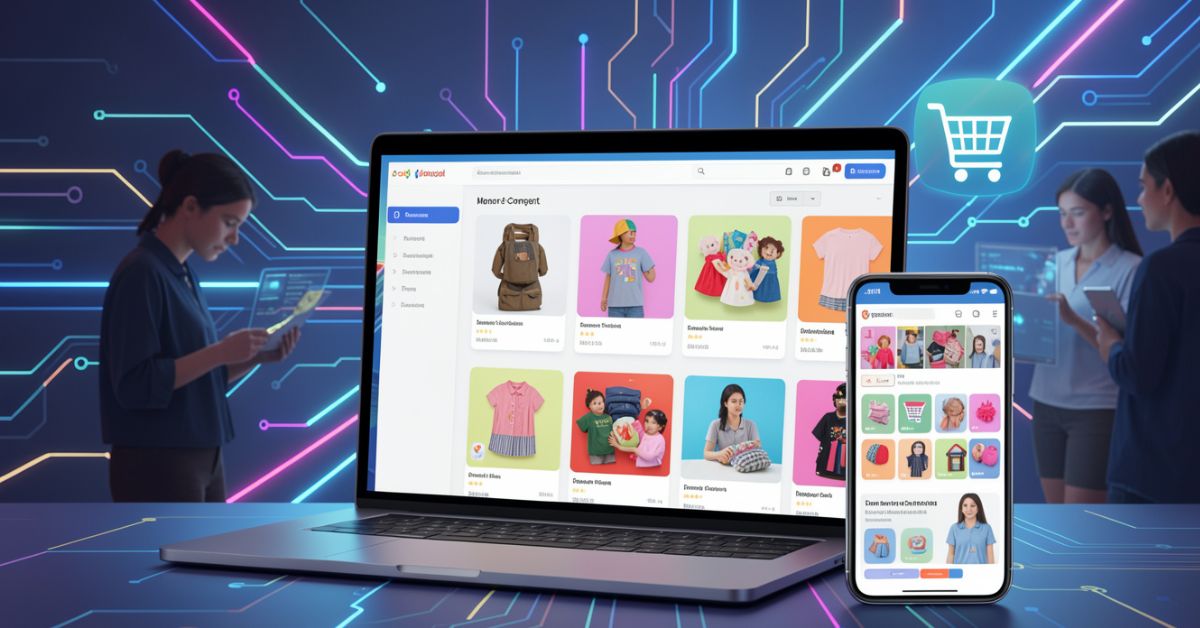
Eschopper is not a single piece of software, a plugin, or an app. It is an integrated conceptual framework that combines three critical pillars of modern online commerce: user experience (UX) design, data intelligence, and operational efficiency. Together, these pillars form a human-centered commerce system that places the shopper at the absolute center of every decision.
Thank you for reading this post, don't forget to subscribe!Eschopper represents a mindset shift from thinking of an online store as a digital catalogue to treating it as a living, breathing ecosystem that learns, adapts, and evolves based on real user behavior and real business data.
The Core Principles of the Eschopper Framework
The Eschopper approach is built upon four foundational principles that work in concert to deliver superior outcomes for both shoppers and the businesses that serve them:
Hyper-Personalization & Smarter Product Discovery
Eschopper-oriented platforms use browsing behavior, purchase history, and real-time preferences to deliver adaptive experiences. Instead of showing every shopper the same homepage, these systems surface the most relevant products, categories, and promotions for each individual. This translates into faster discovery, higher engagement, and more confident purchase decisions.
Frictionless User Journeys
Every unnecessary step, confusing element, or slow-loading page is a conversion killer. The Eschopper philosophy prioritizes clean interfaces, streamlined navigation, and faster payments. The goal is to reduce the number of clicks, decisions, and distractions between the moment a shopper discovers a product and the moment they complete their purchase.
Data-Driven Adaptation
Static commerce is dying. Eschopper-driven platforms create real-time data feedback loops that continuously improve product recommendations, inventory management, pricing strategies, and marketing campaigns. This means businesses no longer rely on gut instinct they act on live signals from actual customer behavior.
Built-in Trust & Radical Transparency
Trust is the currency of modern commerce. Eschopper systems integrate genuine user reviews, transparent ratings, clear return policies, visible support channels, and secure, predictable payment flows. The result is a shopping environment where customers feel safe, informed, and respected the essential ingredients for long-term loyalty.
Terms Associated with Eschopper
The following table maps the most semantically significant terms Google associates with the Eschopper concept, organized by thematic cluster:
| Category | Key NLP Terms & Phrases | Importance |
| Core Concept | Modern approach to online commerce, smart shopping systems, next-generation eCommerce, human-centered commerce, flexible architecture | High |
| Features | Smarter product discovery, streamlined navigation, integrated reviews, real-time data feedback, adaptive experiences, AI-driven recommendations, mobile-first design | High |
| User Benefits | Improved user experience, higher trust and confidence, better conversion rates, faster discovery, smoother checkouts, confident decisions | High |
| Business Benefits | Scalability for businesses, data-driven growth, operational efficiency, flexible and scalable tools, better insight into customer behavior | High |
| Comparisons | Fixed and rigid vs. flexible and modular, generic vs. personalized, basic reports vs. real-time insights, costly to scale vs. designed for scaling | Medium |
| Trust Signals | User feedback, ratings, usage insights, clear policies, predictable flows, long-term credibility | Medium |
Key Benefits: Why Businesses and Shoppers Prefer Eschopper-Oriented Platforms
The Eschopper framework delivers measurable, tangible benefits to both sides of the commerce equation. Understanding these benefits helps clarify why adoption of these principles is not just a trend it is a competitive necessity.
Benefits for the Modern Shopper
- Relevant Discovery: Faster, more relevant product discovery through AI-driven recommendations and adaptive personalization.
- Higher Confidence: Increased purchase confidence through transparent social proof, authentic reviews, and clear product information.
- Seamless Experience: A seamless, enjoyable experience from first click to final checkout confirmation, with fewer steps and less friction.
- Built-in Trust: Greater trust in the platform through visible security signals, consistent policies, and responsive support channels.
Benefits for the Growing Business
- Operational Scalability: Scalable architecture that accommodates growth without requiring costly and disruptive platform migrations.
- Smarter Decision-Making: Actionable, real-time insights into customer behavior that replace guesswork with data-driven growth strategies.
- Improved Conversions: Higher conversion rates and improved customer lifetime value through personalized, loyalty-building experiences.
- Faster Innovation: Lower technical friction when deploying new features, promotions, or product categories thanks to modular, flexible architecture.

Eschopper in Action: A Practical Real-World Example
To make the Eschopper framework tangible, consider this hypothetical scenario involving a fictional brand called AgileFit a startup athletic wear company that recently adopted Eschopper principles.
Before the transition, AgileFit’s online store was built on a traditional, rigid platform. Every visitor saw the same generic homepage, the checkout process involved seven separate steps, and the team had no real-time data on which products were resonating with different customer segments. Conversion rates were low and customer returns were high.
After adopting an Eschopper-oriented approach, the following changes were implemented:
- The homepage became dynamic returning customers were greeted with personalized collections based on their previous purchases (e.g., yoga wear for a customer who previously bought yoga mats and leggings).
- The checkout was simplified from seven steps to three, with saved payment methods, address auto-fill, and a single confirmation screen.
- Real-time data dashboards replaced monthly reports, giving the AgileFit team live visibility into which products were trending, which were being abandoned in carts, and which demographics were most engaged.
- Integrated review prompts were added post-purchase, boosting the volume of authentic ratings and creating a visible trust layer for new visitors.
The outcome: a 34% reduction in cart abandonment, a 22% increase in returning customer rate, and a significantly lower product return rate driven by more confident, better-informed purchase decisions.
Eschopper vs Traditional E-commerce: A Side-by-Side Comparison
The table below illustrates how the Eschopper approach compares to traditional e-commerce platforms across eight critical dimensions:
| Feature | Traditional E-commerce | Eschopper Approach |
| Personalization | Generic, one-size-fits-all | Hyper-personalized, AI-driven |
| Checkout Steps | 5-7 steps, often complex | 2-3 steps, frictionless flow |
| Data Usage | Basic reports, delayed insights | Real-time feedback loops |
| Architecture | Fixed and rigid monolith | Flexible and modular |
| Scalability | Costly and time-intensive | Designed for seamless scaling |
| Mobile Experience | Responsive (afterthought) | Mobile-first by design |
| Feature Updates | Slow, requires dev cycles | Continuous, rapid iteration |
| Trust Signals | Basic ratings, minimal | Integrated reviews, transparency |
The differences are not merely cosmetic. Each dimension in the table above represents a lever that directly impacts business performance, customer satisfaction, and long-term brand resilience.
How to Implement an Eschopper Strategy for Your Business
Adopting the Eschopper framework does not require rebuilding your entire online store overnight. The most effective implementations are gradual, strategic, and anchored in a clear understanding of your current baseline. Here is a practical four-step roadmap to get started.
Audit Your Current User Experience
Begin with a comprehensive UX audit. Map every step of your customer journey from the first landing page impression to post-purchase follow-up. Identify friction points: Where do visitors drop off? Which pages have high exit rates? Where is the checkout process losing conversions? Tools like heatmaps, session recordings, and funnel analytics will surface the most impactful improvement opportunities.
Integrate and Connect Your Data Sources
Eschopper’s power comes from connected intelligence. Audit your existing data infrastructure and identify silos. Your website analytics, CRM, inventory system, email platform, and customer support logs should ideally feed into a unified view of customer behavior. Even simple integrations like connecting your email tool to your store’s purchase history can unlock powerful segmentation and personalization opportunities.
Prioritize Personalization and Trust Signals
Once your data foundation is in place, begin introducing personalization at the highest-impact touchpoints first. This typically means the homepage, product recommendation modules, and email campaigns. Simultaneously, invest in your trust infrastructure: actively solicit authentic reviews, make your return policy prominently visible, add live chat or clear support pathways, and ensure your payment flow displays security signals clearly.
Test, Learn, and Iterate Continuously
The Eschopper philosophy is fundamentally iterative. Implement A/B tests on your key pages and flows. Establish clear KPIs for each initiative conversion rate, average order value, bounce rate, return rate. Review performance data regularly and let real customer behavior guide your next round of improvements. This continuous improvement loop is what distinguishes Eschopper-oriented businesses from those that build and forget.
Frequently Asked Questions About Eschopper
Is Eschopper a specific software or platform?
No. Eschopper is a conceptual framework and philosophy for approaching online commerce not a specific app, plugin, or SaaS product. It describes a set of principles (personalization, frictionless design, data-driven adaptation, and built-in trust) that can be applied across virtually any technology stack or e-commerce platform.
How is Eschopper different from regular e-commerce?
Traditional e-commerce platforms typically operate on fixed, rigid architectures with generic shopping experiences and delayed data insights. The Eschopper approach is defined by flexibility, deep personalization, real-time data utilization, and a relentless focus on reducing friction at every stage of the customer journey. It is the difference between a static digital catalogue and a living, adaptive commerce ecosystem.
What are the main benefits of using an Eschopper approach?
The primary benefits include: improved user experience and purchase confidence for shoppers; higher conversion rates and customer retention for businesses; scalable and flexible architecture that grows with the brand; real-time data insights that replace delayed reports; and a trust-rich environment that supports long-term customer loyalty.
Is Eschopper suitable for small businesses and startups?
Yes, particularly because the Eschopper framework emphasizes scalability and gradual adoption. Small businesses and startups can begin implementing Eschopper principles incrementally starting with UX improvements, then layering in data integrations, personalization features, and trust signals over time. The framework is designed to grow with the business, not require a complete overhaul from day one.
Do I need to rebuild my entire website to adopt Eschopper principles?
No. One of the key practical advantages of the Eschopper framework is that it can be adopted gradually. You can begin with targeted improvements to your highest-traffic pages, then progressively enhance your data infrastructure, introduce personalization modules, and optimize your checkout flow. A full platform migration may eventually become desirable for some businesses, but it is never a prerequisite to beginning the journey.
What technologies support an Eschopper-style platform?
Several modern technologies align naturally with Eschopper principles: AI-powered recommendation engines (such as those used by major marketplaces), headless commerce architectures (which decouple the front-end experience from back-end systems for maximum flexibility), customer data platforms (CDPs) that unify behavioral data across touchpoints, real-time analytics dashboards, and progressive web app (PWA) technologies for mobile-first experiences.
Does Eschopper work for physical products, digital products, or both?
The Eschopper framework applies equally well to businesses selling physical goods, digital products, subscriptions, or any combination thereof. The core principles personalization, frictionless journeys, data adaptation, and trust are universal commerce values that transcend product type or industry vertical.
Conclusion
E-commerce is no longer a question of simply having an online store. The businesses that will thrive in the next decade are those that treat commerce as a continuous, data-informed relationship with their customers not a transactional event.
The Eschopper framework provides a clear, actionable philosophy for making this shift. By embracing hyper-personalization, eliminating friction, building on real-time data intelligence, and cultivating deep customer trust, businesses of any size can create experiences that convert, retain, and grow.
The principles outlined in this guide are not theoretical they are the operational DNA of the most successful digital commerce experiences in the world today. The question is not whether to adopt them, but how quickly and strategically you can begin.
CLICK HERE FOR MORE BLOG POSTS