
 By Mobi Roller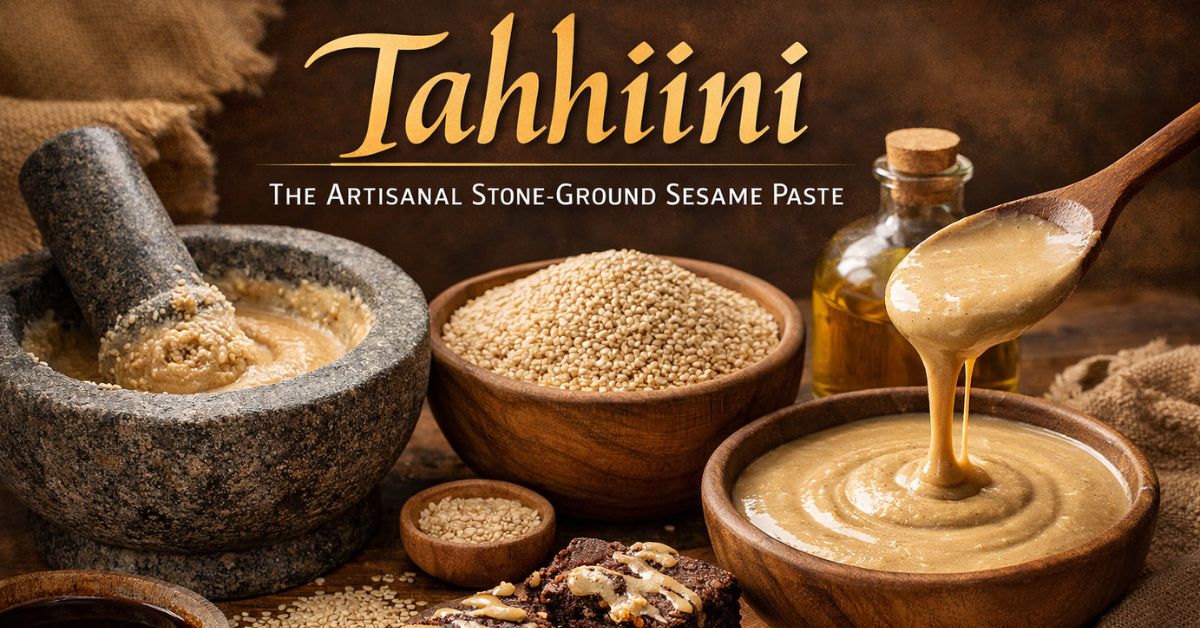
Tahhiini, the silky, golden sesame paste that has graced Middle Eastern tables for millennia, is experiencing a renaissance in modern kitchens worldwide. More than just a tahini variant, tahhiini represents the artisanal, stone-ground tradition of sesame paste-making—a craft that transforms humble seeds into liquid gold. Whether you’re drizzling it over roasted vegetables, blending it into creamy hummus, or discovering its surprising role in decadent brownies, understanding tahhiini opens doors to both ancient culinary wisdom and contemporary plant-based innovation.
Thank you for reading this post, don't forget to subscribe!Table of Contents
What Exactly is Tahhiini? (And How is it Different from Regular Tahini?)
At its core, tahhiini is a paste made from ground sesame seeds—but the story doesn’t end there. While “tahini” has become the westernized, commercial spelling found on most grocery store shelves, “tahhiini” often denotes a more traditional, artisanal approach to this ancient condiment. Think of it as the difference between mass-produced and small-batch: both are sesame paste, but the intention, process, and often the quality diverge significantly.
The Spelling Debate: Tradition vs. Commercialization
The double “h” in tahhiini reflects a closer transliteration from Arabic (طحينة), where the emphatic nature of the consonant is preserved. In regions where sesame paste has been a dietary staple for over 5,000 years—from ancient Mesopotamia to the Indus Valley—this spelling honors linguistic authenticity. Commercial brands simplified it to “tahini” for Western markets, prioritizing pronunciation ease over cultural precision. When you see “tahhiini” on a label or recipe, it often signals a product that embraces traditional stone-grinding methods, uses premium sesame varieties, or is produced by artisans connected to the Middle Eastern or Mediterranean heritage of this paste.
Hulled vs. Unhulled: Which One is “True” Tahhiini?
The hull debate divides the tahhiini world into two camps:
- Hulled Tahhiini: Made from sesame seeds with the outer bran removed, resulting in a lighter color (cream to ivory), smoother texture, and milder, slightly sweet flavor. This is the most common type in Western markets and the preferred choice for desserts, smoothies, and dishes where you want the sesame flavor to stay in the background.
- Unhulled Tahhiini: Retains the nutrient-dense outer layer, giving it a darker hue (tan to brown), grainier texture, and more pronounced, earthy flavor with subtle bitterness. This version boasts higher fiber, calcium, and antioxidant content—particularly sesamin and sesamol, powerful compounds linked to reduced inflammation and oxidative stress.
Here’s the insider tip: there is no single “true” tahhiini. Middle Eastern cuisine traditionally uses hulled varieties for classics like hummus and baba ghanoush due to their silky consistency. However, health-focused modern interpretations increasingly favor unhulled for its nutritional superiority. Choose hulled for culinary applications where texture and subtlety matter; choose unhulled when you’re after maximum nutrition and don’t mind a more assertive flavor profile.
The 5-Minute Guide: How to Make Perfect Homemade Tahhiini
Making tahhiini at home is surprisingly simple and yields fresher, more vibrant results than most store-bought versions. With just two ingredients and basic kitchen equipment, you can produce a batch that rivals—or surpasses—premium commercial brands.
Essential Ingredients (The 2% Rule)
Authentic tahhiini requires minimal intervention. The gold standard is 100% sesame seeds with no additives—no added oil, no stabilizers, no preservatives. This is the hallmark of premium tahhiini: if the ingredient list reads anything beyond “sesame seeds” and perhaps “salt,” you’re looking at a commercial product optimized for shelf stability rather than flavor.
What you need:
- 2 cups hulled sesame seeds (or unhulled, based on preference)
- 1-2 tablespoons neutral oil (optional, only if needed for consistency; high-quality seeds release enough natural oil)
- Pinch of salt (optional, to enhance flavor)
Step-by-Step Method (Food Processor & Stone Method)
Food Processor Method (Modern Approach):
- Toast the Seeds: Spread sesame seeds in a single layer on a baking sheet. Toast at 350°F (175°C) for 8-10 minutes, stirring halfway through, until fragrant and lightly golden. Watch closely—burnt seeds mean bitter tahhiini.
- Cool Completely: Let the seeds cool to room temperature (10-15 minutes). Hot seeds won’t blend smoothly.
- Blend: Transfer cooled seeds to a food processor. Process for 1-2 minutes until the seeds break down into a crumbly meal.
- Achieve Smoothness: Continue processing for another 2-3 minutes, scraping down the sides periodically. The mixture will transition from crumbly to thick paste to smooth, drizzle-able consistency as the natural oils release. If it remains too thick, add neutral oil 1 teaspoon at a time.
- Taste & Adjust: Add salt if desired. Blend for another 30 seconds to incorporate.
Stone Mortar Method (Traditional Approach):
For purists, the traditional stone-grinding method produces the finest texture and preserves maximum flavor compounds. Toast seeds as above, then grind in a stone mortar (or molcajete) in small batches using circular motions. This labor-intensive process takes 20-30 minutes but results in a paste with unparalleled silkiness and depth of flavor—the method still used in small Middle Eastern mills.
The “Don’t Burn It” Rule: Mastering the Roast
Toasting is where most homemade tahhiini goes wrong. The line between golden perfection and acrid bitterness is razor-thin. Aim for a light amber color and a warm, nutty aroma—imagine freshly baked bread with a hint of caramel. If the seeds darken to deep brown or you smell anything sharp or burnt, start over. Even a small percentage of over-toasted seeds will compromise the entire batch. Set a timer, stir frequently, and err on the side of under-toasting; you can always toast longer, but you can’t undo a burn.
Fixing Grainy or Thick Tahhiini
Texture troubleshooting:
- Grainy: Continue blending. Patience is key—it can take 4-5 minutes of continuous processing for the oils to fully release and create smoothness. Scrape down sides every minute.
- Too Thick: Add warm water (not cold, which can seize the paste) 1 tablespoon at a time while blending until you reach desired consistency. For drizzle-able tahhiini, aim for the “ribbon stage”—when lifted, it should fall in a continuous ribbon that slowly settles back into the mass.
- Oil Separation After Storage: This is normal and desirable—a sign of pure, additive-free tahhiini. Simply stir it back in before use.
Why Make It at Home? 4 Benefits You Can’t Buy
- Peak Freshness: Sesame oils are delicate and can go rancid within months of grinding. Homemade tahhiini delivers the bright, clean taste of freshly released oils—something even premium brands can’t guarantee after weeks on shelves.
- Cost-Effective: Bulk sesame seeds cost $4-6 per pound, yielding roughly 2 cups of tahhiini. Compare that to $10-15 for a 16-ounce jar of artisanal tahini—you’re saving 60-70% while controlling quality.
- No Preservatives or Stabilizers: Commercial varieties often include added oils, emulsifiers, or citric acid to prevent separation and extend shelf life. Homemade means knowing exactly what you’re eating.
- Custom Flavor Profiles: Want smokier notes? Toast darker. Prefer sweeter? Use lighter roasting. You can even experiment with black sesame seeds for a dramatic, earthy variation popular in Asian cuisines.
The Health “Why”: Nutrition Backed by Science
Tahhiini isn’t just delicious—it’s a nutritional powerhouse that supports multiple body systems. Two tablespoons (30g) provide:
- 180 calories (energy-dense but satiating)
- 16g fat (mostly heart-healthy unsaturated fats)
- 5g plant-based protein
- 3g fiber (unhulled varieties offer more)
- 130mg calcium (13% DV—more than many dairy sources per serving)
- 2.7mg iron (15% DV, crucial for vegans)
- Magnesium, phosphorus, copper, and manganese in significant amounts
Bone Density & Plant-Based Calcium
For those avoiding dairy due to lactose intolerance, veganism, or preference, tahhiini offers a potent calcium alternative. The calcium in sesame seeds is bioavailable—meaning your body can actually absorb and use it. When paired with the magnesium also present in tahhiini, it supports bone mineralization and may help prevent osteoporosis. This makes it especially valuable for postmenopausal individuals and those on plant-based diets seeking non-dairy calcium sources.
Antioxidant Power: The Sesamin Advantage
Sesame seeds contain unique lignans—sesamin and sesamol—that function as powerful antioxidants. Research suggests these compounds help reduce oxidative stress, combat inflammation, and may play a role in lowering cholesterol and supporting liver health. Unhulled tahhiini concentrates these benefits, as the outer hull is where many phytonutrients reside. While a slight bitterness in unhulled varieties can be off-putting, it’s actually a marker of higher polyphenol content—the very compounds that deliver anti-inflammatory benefits.
Is Tahhiini Keto and Gluten-Free?
Yes to both. Tahhiini is naturally:
- Gluten-Free: Sesame seeds contain no gluten, making tahhiini safe for celiac disease and gluten sensitivity.
- Keto-Friendly: With only 3-4g net carbs per serving and high healthy fat content, it fits ketogenic macros.
- Vegan, Paleo, Whole30 Compliant: Pure tahhiini is plant-based, minimally processed, and contains no added sugars or grains.
Note: Sesame is a major allergen. Those with sesame allergies must avoid tahhiini entirely. While it’s nut-free (sesame is a seed, not a tree nut), cross-reactivity can occur in sensitive individuals—always consult your doctor if you have multiple food allergies.
The Flavor Matrix: Savory, Sweet, and Unexpected Uses
Tahhiini’s versatility spans continents and culinary traditions. Its umami-rich, nutty profile complements both sweet and savory applications.
The Middle Eastern Classics (The Icons)
- Hummus: Tahhiini provides the signature creaminess and depth. The ratio is typically 1 part tahhiini to 3 parts chickpeas, adjusted by texture preference.
- Baba Ghanoush: Smoky roasted eggplant meets tahhiini’s nuttiness for the ultimate dip pairing.
- Tarator Sauce: A Levantine staple—thin tahhiini with lemon juice, garlic, and water until pourable. Drizzle over falafel, shawarma, roasted vegetables, or grilled fish.
- Mutabbal: Similar to baba ghanoush but with more tahhiini, creating an even silkier texture.
The Modernist’s Pantry (Smoothies to BBQ)
Contemporary cooks have expanded tahhiini far beyond its traditional boundaries:
- Smoothies: Add 1-2 tablespoons for protein, healthy fats, and a subtle nutty undertone. Pairs especially well with banana, dates, and cacao.
- Salad Dressings: Whisk tahhiini with lemon juice, maple syrup, and Dijon mustard for a creamy, dairy-free vinaigrette.
- Marinades: Its fat content tenderizes proteins while adding complexity. Try it on chicken, tofu, or portobello mushrooms.
- Roasted Vegetables: Drizzle tahhiini over roasted carrots, cauliflower, or Brussels sprouts—the caramelized edges + nutty sauce = magic.
- Vegan Cheese Bases: Blend tahhiini with nutritional yeast, lemon, and agar-agar for plant-based cheese spreads.
Desserts: The Chocolate Connection
Tahhiini’s affinity for chocolate rivals peanut butter’s. The sesame’s natural sweetness and fat content create luxurious textures in baked goods and sweets:
- Brownies: Swap half the butter for tahhiini for fudgy, complex brownies with subtle nutty notes.
- Cookies: Tahini chocolate chip cookies have gone viral for good reason—chewy centers, crispy edges, and sophisticated flavor.
- Halva: The traditional Middle Eastern confection made from tahhiini, sugar, and flavorings like pistachios or rosewater.
- Banana Bread: Replace some oil or butter with tahhiini for moisture and a subtle sesame backdrop.
- Ice Cream: Swirl tahhiini into vanilla ice cream or blend into the base before churning for a Middle Eastern-inspired frozen treat.
- Date Syrup Pairing: Drizzle tahhiini and date syrup over Greek yogurt or fresh fruit—a classic Israeli combination called “silan and tahini.”
How to Buy Tahhiini Like a Pro (Even If You Make It)
Not everyone has time to make tahhiini from scratch. When purchasing, knowing what separates exceptional from mediocre transforms your cooking.
Reading the Label: 3 Ingredients Max
The best tahhiini has the shortest ingredient list:
- Ideal: Sesame seeds. Period.
- Acceptable: Sesame seeds, salt, sesame oil (if added for consistency, not as a cheap filler).
- Red Flags: Added sugars, preservatives (BHA, BHT), stabilizers, soybean oil, or palm oil. These indicate a product designed for mass production rather than flavor.
Glass jar > plastic: Glass protects the delicate oils from UV light degradation and doesn’t impart plastic flavors.
Top 5 Trusted Tahhiini Brands (2026 Update)
Based on ingredient purity, production methods, and consumer reviews:
| Brand | Type | Key Features | Price Range |
| Soom Foods | Hulled | Ethiopian seeds, ultra-smooth, organic | $12-15 |
| Al Wadi | Hulled | Lebanese tradition, authentic flavor, affordable | $6-9 |
| Seed + Mill | Both | Stone-ground fresh, small-batch, NYC-based | $14-17 |
| Artisana Organics | Unhulled | Raw, nutrient-dense, USDA organic | $10-13 |
| Cedar’s | Hulled | Mediterranean quality, widely available, good value | $7-10 |
Sustainability: Why Sesame is a Smart Crop
Beyond nutrition, sesame cultivation offers environmental advantages. Sesame plants are drought-tolerant and thrive in arid climates where other crops struggle, requiring significantly less water than almonds or cashews. Major producers include India, Ethiopia, Sudan, and Myanmar—regions where sesame farming supports smallholder agriculture and provides economic opportunities for rural communities. Look for fair-trade certified brands that ensure farmers receive equitable compensation and work in safe conditions.
Storage Mastery: Keeping It Fresh for Months
Proper storage extends tahhiini’s shelf life and preserves flavor.
Why Did My Tahhiini Separate? (It’s a Good Sign)
If you open your tahhiini jar to find a layer of oil pooled on top, don’t panic—this is natural and indicates purity. Commercial brands often add emulsifiers to prevent separation; artisanal, additive-free tahhiini will naturally separate as the denser solids settle. Simply stir the oil back in with a spoon or small spatula until smooth. For stubborn separation, transfer to a bowl and whisk vigorously, or use an immersion blender for 10-15 seconds.
Storage guidelines:
- Refrigeration: Once opened, store tahhiini in the refrigerator in an airtight container. This slows oil rancidity and extends freshness to 3-4 months.
- Pantry Storage: Unopened jars can sit in a cool, dark pantry for up to a year. Check the best-by date.
- Homemade Lifespan: Refrigerated homemade tahhiini lasts 3-4 weeks; unrefrigerated, just 1-2 weeks before oils begin to turn bitter.
Can You Freeze Tahhiini?
Yes. Freezing tahhiini in airtight containers or ice cube trays extends its life up to 6 months. The texture may thicken upon freezing, but thawing at room temperature and stirring restores the original consistency. This is especially useful if you make large batches—portion into 2-tablespoon servings for easy meal prep.
Frequently Asked Questions About Tahhiini
Is it spelled Tahini or Tahhiini?
Both are correct. “Tahini” is the westernized spelling commonly seen in stores. “Tahhiini” is a closer transliteration from Arabic (طحينة), often used to denote traditional, stone-ground, or artisanal versions. The spelling doesn’t change the product, but it may signal production philosophy.
Why is my tahini so bitter?
Bitterness typically results from over-toasted seeds or using unhulled seeds. If you prefer milder flavor, opt for hulled varieties. However, slight bitterness in high-quality unhulled tahhiini is normal and reflects higher polyphenol (antioxidant) content—it’s actually a health marker, not a flaw.
Can I use Tahhiini if I have a nut allergy?
Yes, sesame is a seed, not a tree nut. That said, sesame itself is a major allergen (one of the “big 9” in the U.S.). Cross-reactivity between sesame and tree nut allergies can occur in some individuals, so consult your allergist if you have multiple food sensitivities.
What is the white stuff on top of my Tahhiini?
That’s separated sesame oil—a natural occurrence in pure tahhiini without stabilizers. It’s a good sign indicating minimal processing. Simply stir it back in before use.
Is Tahhiini healthier than peanut butter?
It depends on your nutritional priorities. Tahhiini contains more calcium, iron, and magnesium; peanut butter has slightly more protein. Tahhiini is naturally lower in sugar and contains beneficial lignans (sesamin, sesamol) not found in peanuts. Both are nutrient-dense; choose based on flavor preference and dietary needs.
How long does homemade Tahhiini last?
In an airtight container in the refrigerator, homemade tahhiini stays fresh for 3-4 weeks. Without refrigeration, expect 1-2 weeks before the oils begin to oxidize and develop off-flavors.
What is the difference between Tahini and Asian sesame paste?
Asian sesame paste (like Chinese zhīmajiàng or Japanese goma) is made from toasted black sesame seeds and is much darker, thicker, and more intensely flavored. Tahhiini uses hulled white or natural sesame seeds, resulting in a lighter color and milder taste. They’re not interchangeable in recipes.
Conclusion: From Ancient Mills to Your Morning Toast
Tahhiini is more than a condiment—it’s a 5,000-year-old tradition that has seamlessly adapted to modern kitchens and dietary trends. Whether you’re whisking it into a classic hummus, swirling it into brownies, or simply drizzling it over roasted sweet potatoes, you’re participating in a culinary lineage that spans from ancient Mesopotamian stone mills to contemporary plant-based innovation.
By understanding the nuances—hulled vs. unhulled, homemade vs. store-bought, the science behind sesamin and sesamol—you can make informed choices that elevate both flavor and nutrition in your cooking. The next time you encounter a jar labeled “tahhiini,” you’ll know you’re looking at something special: a paste that honors tradition, delivers remarkable health benefits, and transforms the everyday into the extraordinary.
Start with a single batch of homemade tahhiini this week. Master the roast, embrace the natural oil separation, and discover why this ancient paste continues to captivate taste buds across the globe. Your kitchen—and your body—will thank you.